Rotary Machines Archives - Page 2 of 2 - Victor Floor Cleaning Machines

240V vs 110V: Rotary Floor Cleaners | Choosing the Right 110V Rotary Floor Cleaning Machine for Your Needs

240V vs 110V: Rotary Floor Cleaners | When it comes to rotary floor buffers, the Victor range stands out as a reliable and efficient choice. These machines are designed to tackle various cleaning and scrubbing tasks, catering to both large and small spaces. However, before you decide, it’s essential to understand the differences between the 110V and 240V models and choose the one that best suits your specific requirements.
240V vs 110V Rotary Floor Cleaning Machines: Key Differences Explained

In the UK, the standard electrical supply for domestic use is 240 volts. Appliances designed for domestic use, such as household electronics and tools, are typically designed to operate on this voltage. A 240V rotary floor polisher would be compatible with the standard electrical outlets found in UK homes and commercial buildings.

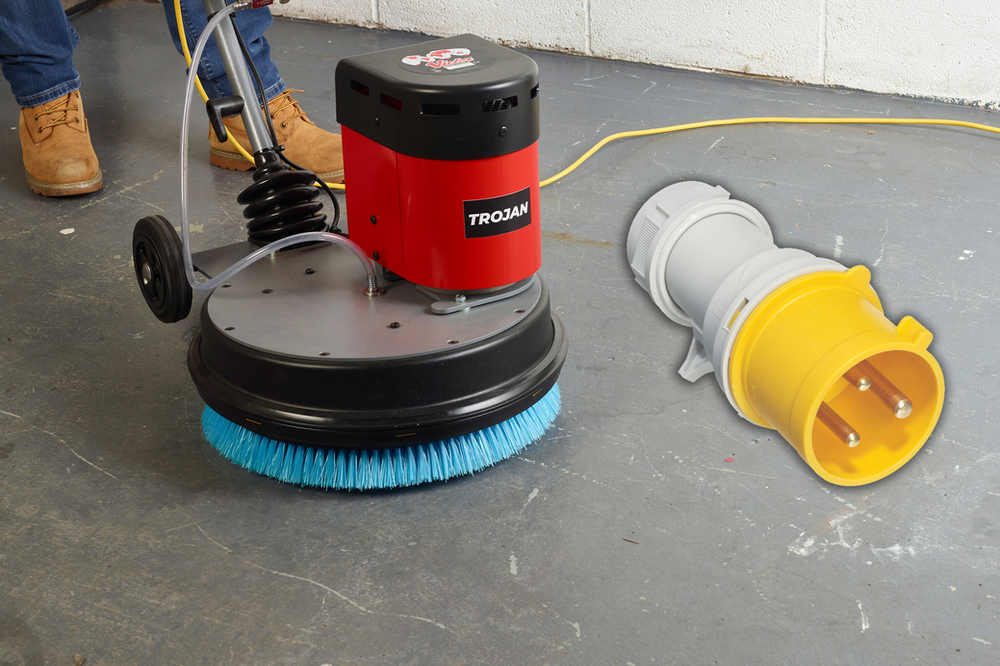
On the other hand, a 110V rotary floor polisher is designed for use in environments where a lower voltage is required for safety reasons, such as construction sites or industrial settings. In these locations, a 110V power supply is commonly used to reduce the risk of electric shock.

To use a 110V rotary floor polisher in the UK, you would typically need a transformer or a site transformer to step down the voltage from the standard 240V supply to 110V. This ensures that the tool operates safely and is compatible with the lower voltage system.
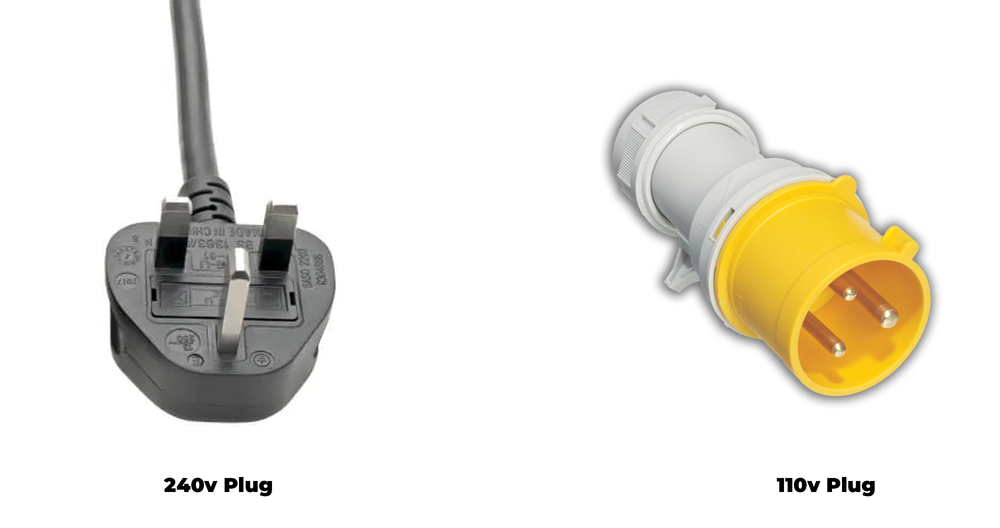
240V vs 110V Rotary Floor Cleaning Machines: Key Differences Explained 110v plug vs 240v plug

When choosing between a 240V and 110V rotary floor polisher, it is important to consider the intended environment of use. If you plan to use the polisher in a domestic or commercial setting with a standard electrical supply, a 240V model would be suitable. However, if you require the polisher for a construction or industrial site, a 110V model, along with the necessary transformer, would be more appropriate to comply with safety regulations.

At victor we have a range of 110v rotary floor cleaning machines. These can be delivered direct to site, and for next day delivery on request.

Victor Contractor 110v Rotary Machine:
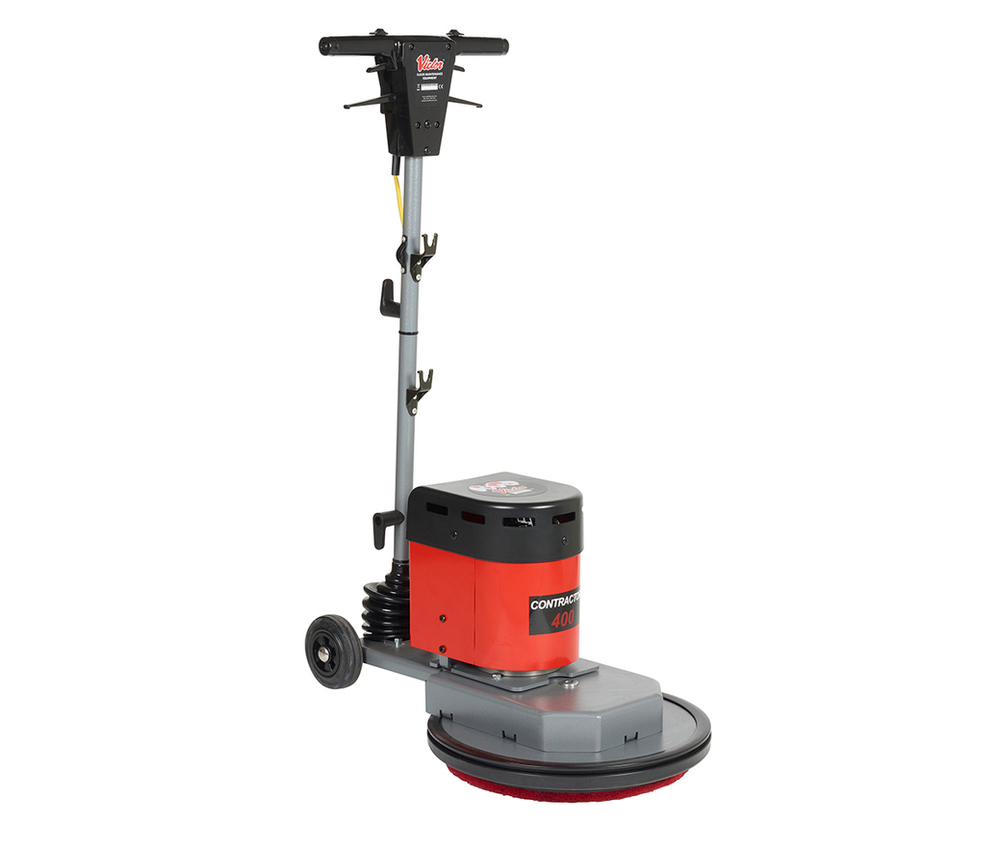
240V vs 110V Rotary Floor Cleaning Machines: Key Differences Explained - Victor Contract 110v Rotary Floor Cleaner

The Victor Contractor is a powerhouse in the world of rotary floor machines. Available with a 400mm driveboard, the 110V edition offers a standard speed of 240 RPM. This makes it the ideal choice for a wide range of scrubbing and cleaning tasks. Whether you need to rejuvenate a large commercial space or restore the shine to a residential floor, the Contractor delivers exceptional performance. With its robust construction and user-friendly design, it ensures efficiency and durability.

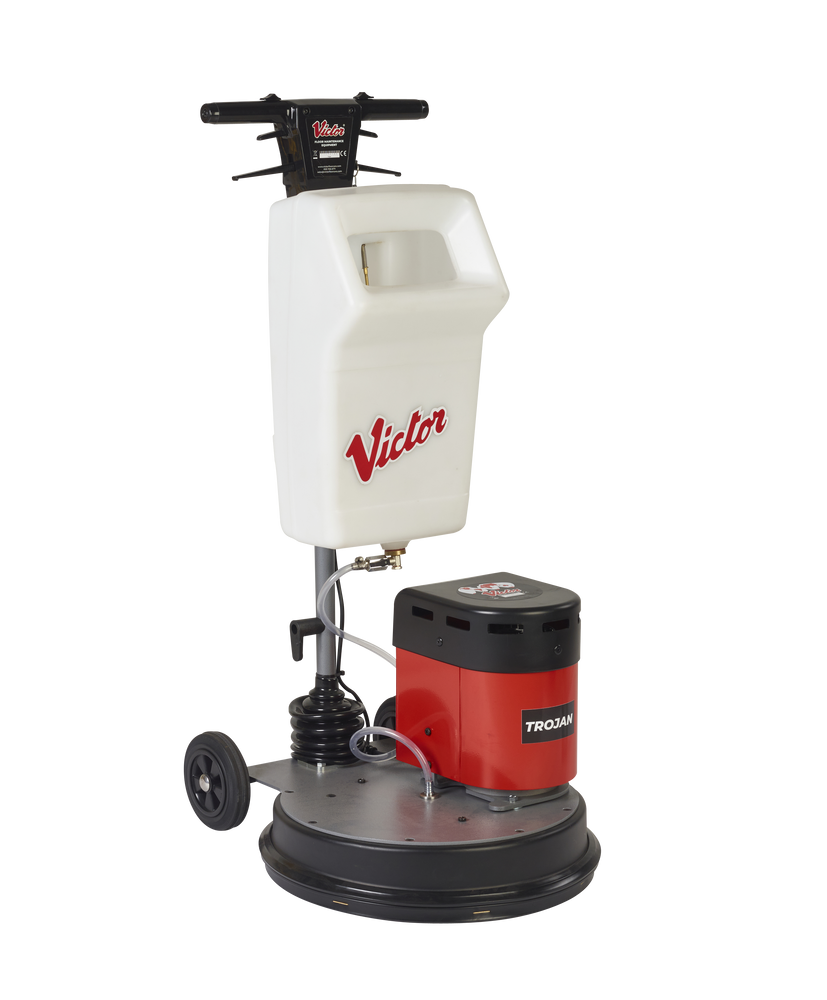
Victor Trojan 110v Rotary Machine:
240V vs 110V Rotary Floor Cleaning Machines: Key Differences Explained

The Victor Trojan 110v is ideal for heavy duty tasks that demand extra power and weight. With its 450mm driveboard and low speed of 180 RPM, the Trojan is specifically designed for intensive cleaning such as deep scrubbing, light renovation, stripping, scarifying and diamond pad tasks. What sets this model apart is the option to add an extra 30kg weight, enhancing its scrubbing capabilities even further. This feature ensures that even the toughest dirt and grime are thoroughly removed, leaving behind a pristine surface.

Choosing the Right Power Supply 110v or 240v :

When deciding between the 110V and 240V models of the Victor rotary machines, consider the specific environment and power supply available to you. In the UK, a 240V power supply is standard for most domestic and commercial settings. If you’re operating in these environments, the 240V models are a convenient choice as they can directly plug into the electrical outlets. However, if you work in construction sites or industrial settings where 110V power supplies are required for safety purposes, the 110V models are the appropriate option. Remember to use a suitable transformer to step down the voltage if needed.

At Victor, our rotary machines are proudly made in the UK, allowing us to offer remarkable advantages in terms of lead times and delivery options. For larger quantities, our efficient production processes enable us to provide incredibly short lead times, ensuring prompt delivery to meet your project deadlines. On the other hand, for smaller orders, we offer the convenience of next-day delivery, directly to your site. We understand the importance of timely access to reliable equipment, and our commitment to manufacturing locally empowers us to deliver exceptional service and responsiveness to our valued customers.

For an up to date price list and turnaround times of our 110v range, please call our team on 0121 706 5771


Follow the links below to request a Demo or explore our shop

 

Demo   Shop

Step-by-Step Guide to Using Rotary Floor Polisher | A Comprehensive Guide on How to Use a Rotary Floor Polisher Cleaning Machine


Step-by-Step Guide to Using Rotary Floor Polisher

Rotary floor machines are a popular choice for cleaning and polishing hard floors. They work by rotating a floor pad or brush, allowing them to effectively scrub and polish floors. If you have a rotary floor machine, such as the Victor Contractor or any other model or brand, this guide will show you how to use it safely and effectively.

Step 1: Understand the Purpose of a Rotary Floor Machine

Before using a rotary floor machine, it’s important to understand what it’s used for. Rotary floor machines are designed to clean and polish hard floors, such as tile, concrete, and hardwood. They can be used in a variety of settings, including homes, offices, and commercial spaces.

For more on the difference between a floor buffer and a floor burnisher, check out our post: Floor Polishing Machines: Understanding the Difference Between Buffers and Burnishers.

Step 2: Attach the Drive Board

The drive board is the large round disk to which a floor pad attaches. It has a prickly face (hook and loop system) that holds the pad in place.

  1. Insert the drive board into the drive pulley at the bottom of the machine.
  2. Make a half-turn anti-clockwise to secure it.

Tip: Store the drive board unattached when not in use to prevent warping and ensure pads are clean and dry.

Step 3: Choosing the Correct Floor Pad

When using a rotary floor cleaning machine, it’s important to choose the right type of floor pad for the job. There are different types of floor pads available, each designed for specific tasks. Here are some common types of floor pads:

  • White pads: These are the least aggressive and are used for light cleaning and buffing. They are ideal for use on delicate surfaces such as marble and polished concrete.
  • Red pads: These are slightly more aggressive than white pads and are used for spray cleaning. They are suitable for use on surfaces such as vinyl, linoleum, and terrazzo.
  • Blue pads: These are even more aggressive than red pads and are used for general cleaning tasks. They are suitable for use on surfaces such as concrete and ceramic tiles.
  • Green pads: These are more aggressive than blue pads and are used for deep scrubbing tasks.
  • Black pads: These are the most aggressive cleaning pads and are ideal for stripping tasks.
  • Melamine pads: These are used for deep cleaning and removing tough stains on hard surfaces such as tiles, grout, and concrete. They work by creating a mild abrasive action that scrubs away dirt and stains without the need for harsh chemicals.

If you need a more in depth guide on how to choose the correct floor pad for your floor, check out our post: Floor Pads 101: Choosing the Right Colour for Your Victor Scrubber Dryer or Rotary Cleaning Machine

Step 4: Use the Machine with Proper Posture

It’s important to use the handle in the correct position so that you’re using the machine properly.

Use the lever on the handle to drop the handle to the desired height. This should be just below the operative’s waist. Use the handle to lift the machine so it’s level.

The idea is to use the machine with your back straight, legs straight, and arms straight. Imagine you’re balancing a marble on the top of the machine because it needs to be completely level with the floor.

Step 5: Understand the Handle Section

The handle section of all Victor rotary floor machines has two safety switches at the very top, which prevent the machine from turning on accidentally. To operate the machine, you’ll need to be pulling one of these switches back into position. The main switch is located here as well.

This machine can be used left-handed or right-handed, depending on which side you’re more comfortable with. There’s also a loose handle underneath the machine, which is used for dispensing solution and chemical down if you have the additional tank fixed on this side.

On the other side, you’ll find the handle position lever, which is designed to release the handle on a ratchet so you can set it to the correct position for your height during operation. To use it, simply lift the lever up and pull the handle down to the desired position.

Step 6: Steering a Rotary Floor Machine

Once you have the rotary floor machine up and running, it’s important to know how to steer it properly. Steering the machine is done by raising or lowering the handle to control the direction of the machine’s movement.

To move the machine to the right, simply raise the handle up. This will cause the machine to tilt to the right and move in that direction. Conversely, to move the machine to the left, lower the handle down. This will cause the machine to tilt to the left and move accordingly.

A simple way to remember this is to use the mnemonic (R) for Raise / Right and (L) for Lower / Left. With a bit of practice, you’ll quickly get the hang of steering the machine and be able to move it smoothly in the direction you need it to go.

It’s important to remember to keep the machine level as you steer it to avoid any damage to the floor or the machine itself. And as always, be sure to follow all safety guidelines and instructions for using the machine to ensure a safe and effective cleaning experience.

Remember – When using a Rotary machine the wheels are designed for transport of the machine only and shouldn’t be touching the floor in operation.

If you have any further questions about how to use rotary floor polisher or any other floorcare machine, feel free to call our friendly, knowledgeable staff on 0121 706 5771


Follow the link below to shop or request a demo


Shop     

Floor Buffer vs Burnisher

Floor Buffer vs Burnisher: The Difference Between Floor Polishers |  When to Use Them and Which Machine to Choose

There’s nothing quite like a beautiful, high shine floor.


Floor Buffer vs Burnisher |  Well-maintained floors are the hallmark of a hygienic and sanitary space, especially the dazzling “wet look” that is desired nowadays from marble flooring.

However, when it comes to maintaining hard floors, like concrete, granite, marble and others, people are usually confused about which equipment they should use for the floor’s upkeep.

What machine do you need? A floor buffer or a burnisher?

To an untrained eye, these floor polishing machines may look incredibly similar, but they happen to be vastly different. In this article, we’ll take a look at the difference between floor cleaning machines and understand which equipment you will require and for what task.

What Is a Floor Buffer and When Is It Used?

A floor buffer, also known as a floor polisher, floor rotary machine, or swing machine, serves a vital role in janitorial maintenance. Here’s what you need to know:

  • Function: A floor buffer removes wax from hard flooring surfaces.
  • Additional Uses:
    • Cleaning Floors and Carpets: Attachments allow it to clean both floors and carpets effectively.
    • Scrubbing Floors: Ideal for deep cleaning and removing stubborn stains.
    • Scuff Mark Removal: Gets rid of scuff marks, restoring floor shine.

The floor buffer typically moves in a side-to-side motion, earning its nickname as a “swing machine.”

Remember, this versatile equipment plays a crucial role in maintaining spotless floors!


What is a Burnisher and when is it used?

Burnishers on the other hand are a piece of high-speed equipment that polishes hard floors. They create the “wet shine” look on the floor with the help of friction.

After a floor has been buffed, it can then be polished or burnished. This is the order in which the equipment is usually used.

During the process of burnishing, a small amount of fine dust is produced, hence one should choose a dust control model to ensure that no dust residue is formed.

Both these pieces of equipment may look the same, but they are used for very different purposes. Hence, you should be aware of when you need a burnisher and when you require a buffer.


Overview of Buffers and Burnishers from Victor Floor Care

At Victor Floor Care, we offer you a variety of buffers and burnishers. You can take a look at the Victor floor polishers in this section.

,Lynx Range High-Speed Burnisher

  • Operates at 1080 revolutions per minute.
  • Includes a dust collection system.
  • Comes with a 3-year warranty.
  • Arrives fully assembled and ready to use.
  • Manufactured in Britain.
  • Durable and long-lasting.
  • Features an ergonomic design.

,Contractor Range Buffer

  • Operates at 300 revolutions per minute (high speed) and 240 revolutions per minute (standard speed).
  • Features CenterFlex technology, perfected over 30 years.
  • Easily cleans both uneven and flat surfaces.
  • Suitable for multi-functional cleaning.

,Victor Multispeed Rotary Floor Scrubber and Polisher Machine

This is ideally used for floors where there is heavy traffic like schools, colleges, hospitals, etc. This machine can switch between 200 RPM to 400 RPM and comes with the unique CentreFlex® Technology. One can perform multifunctional cleaning with this scrubber and polisher machine. Moreover, it provides deep cleaning and polishing, so you don’t really need a buffer or a burnisher as it serves as multi-purpose equipment.

,Victor Trojan Slow Speed Rotary Machine

  • Operates at 180 revolutions per minute.
  • Used primarily for carpet cleaning and floor scrubbing.
  • Features the useful CenterFlex® Technology for an impeccable finish.

Which is the Machine You Need for Your Job?


  1. Floor Buffer (Contractor):
    • Use for stripping dirt or wax from the floor.
    • Ideal for general floor cleaning, including spray cleaning and scrubbing.
  2. Burnisher (Lynx):
    • Achieves a glossy “wet look.”
    • Suitable for high-traffic areas that need a polished appearance.
    • Efficiently captures dust, improving air quality.
  3. Scrubber and Polisher:
    • Dual-purpose machine for cleaning and polishing.
    • Perfect for busy locations like colleges, schools, and hospices.
  4. Trojan Machine:
    • Versatile for both carpet and floor cleaning.
    • Features a corrosion-proof undercover, allowing safe use of strong chemicals.

Watch the video now on how to use a rotary floor polisher / buffing machine

Follow the links below to shop or request a demonstration

Shop     Demo