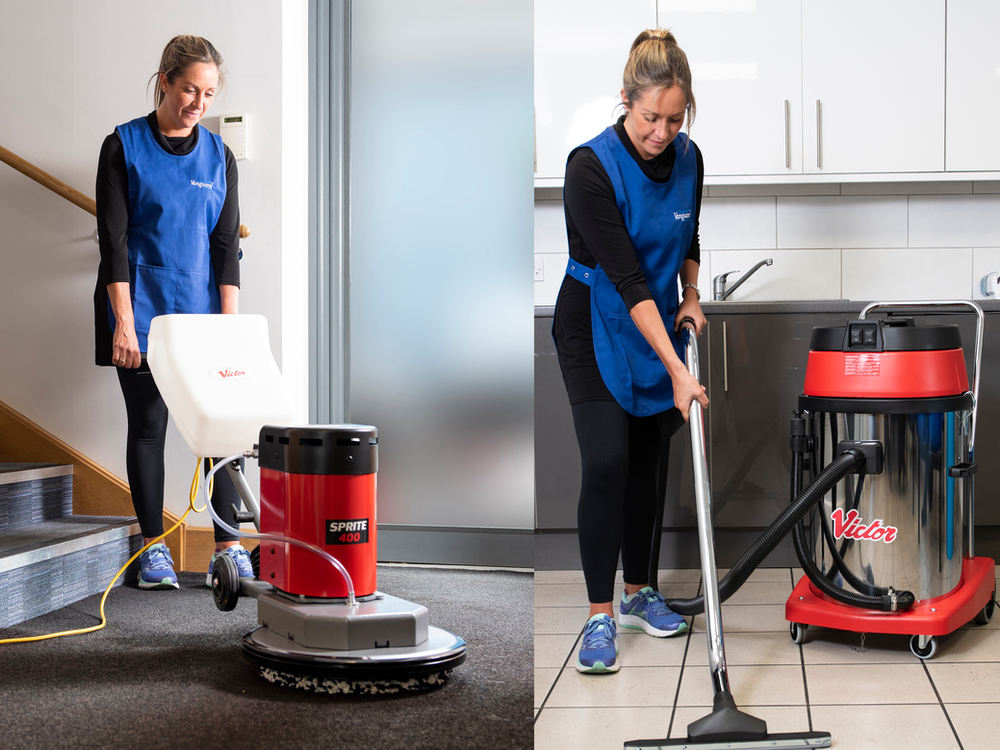
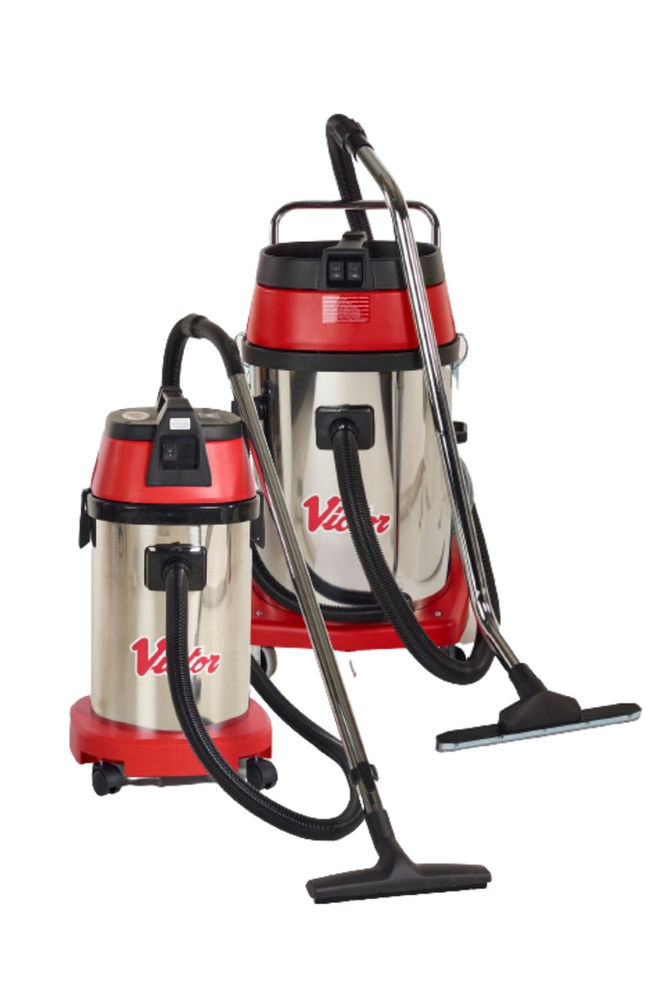
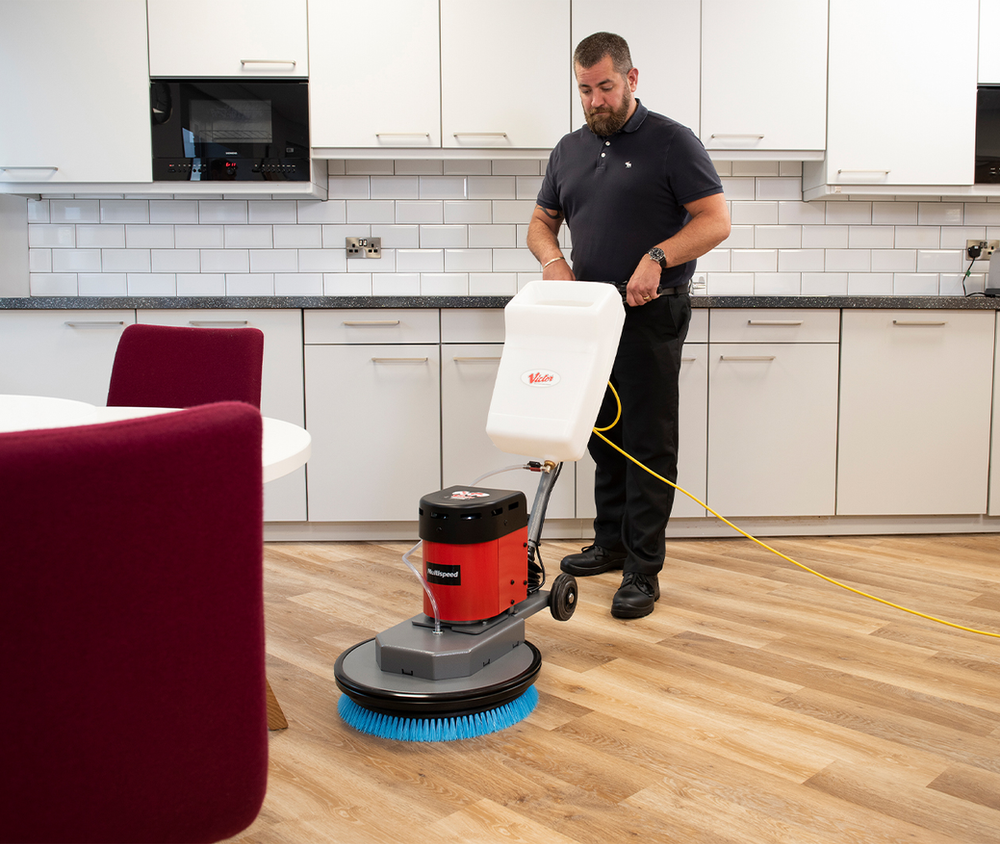
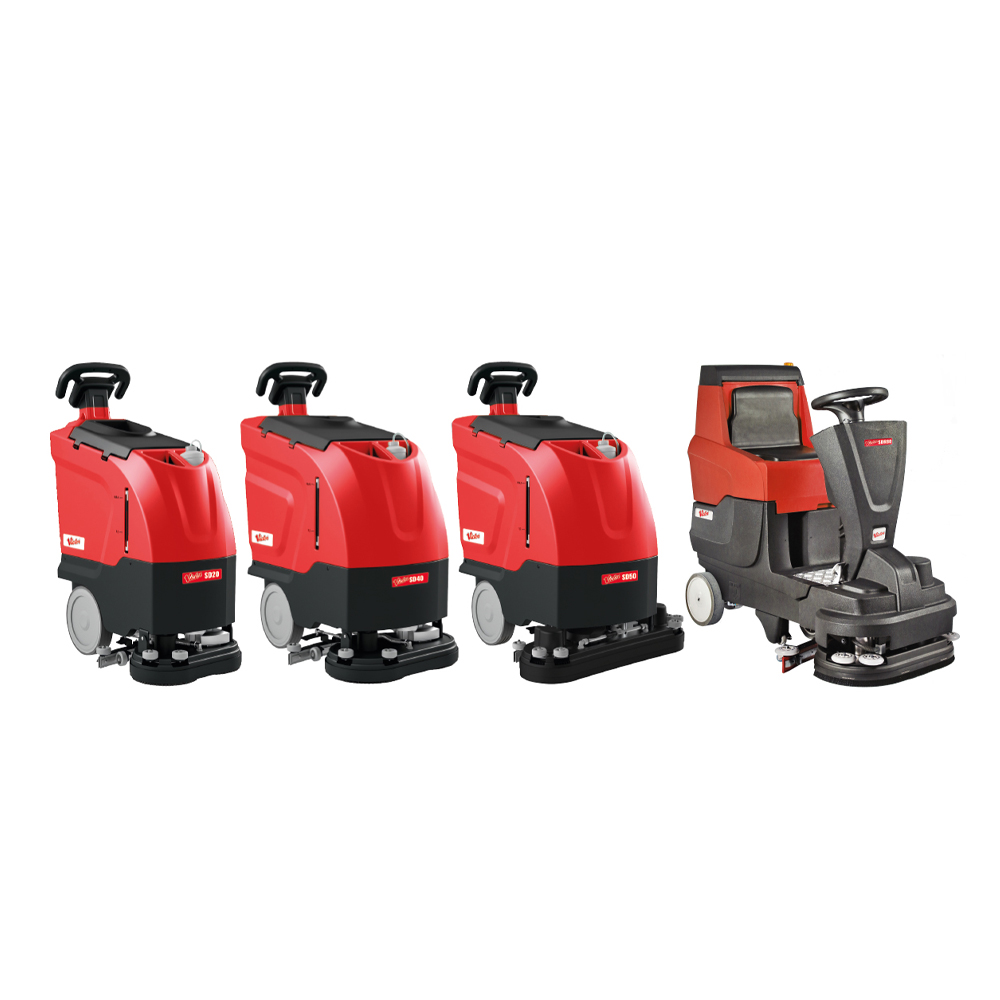
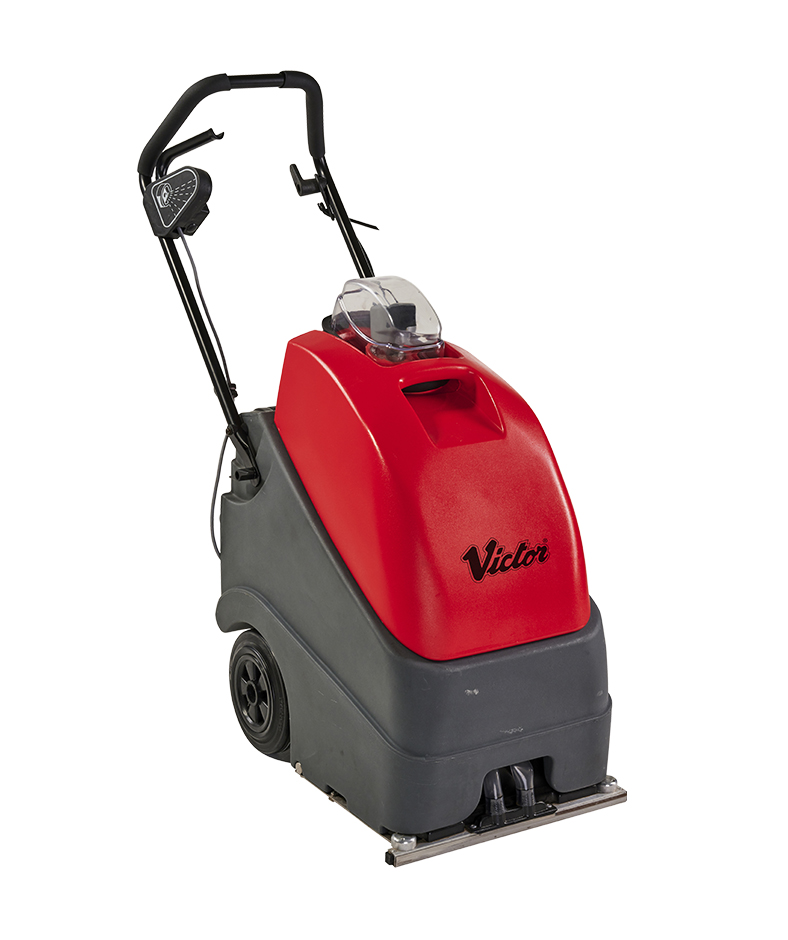
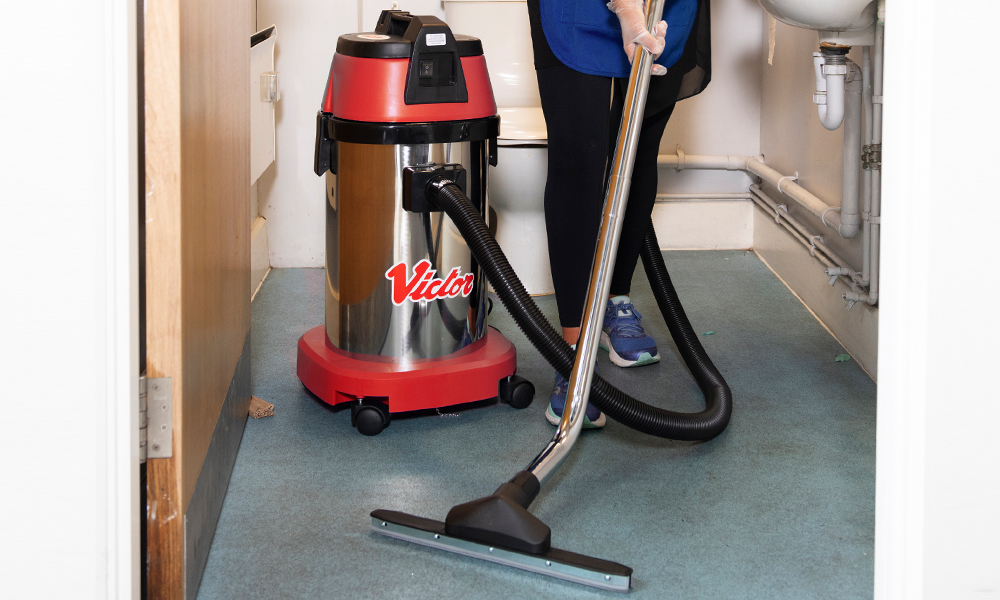
As businesses work to maintain high cleanliness standards while managing budgets, finding the balance between quality and cost is crucial. That’s why we are excited to introduce a new feature that will change how commercial cleaning equipment is financed: Victor Floorcare’s partnership with Mondu. This collaboration offers a Buy Now, Pay Later option, providing businesses with the financial flexibility to acquire high quality cleaning machine solutions such as Scrubber Dryers, Rotary Machines or Vacuum Cleaners, without putting a strain on their cash flow.
‘Buying commercial cleaning equipment has never been simpler with our new Buy Now Pay Later Option’
This new payment method helps you manage cash flow by spreading costs over time. You can pay within 30 days or in manageable instalments over 3, 6, or 12 months. Whatever your needs, Mondu offers flexible solutions to meet your budget needs.
What is Mondu?
Mondu is a leading provider of B2B financing solutions with the aim to empower businesses. Their mission is to simplify access to business credit, offering flexible payment options to meet diverse business needs. From Buy Now, Pay Later to instalments over 3, 6, or 12 months, Mondu is transforming business finance management in just a few clicks at checkout.
Mondu’s offerings focus on accessibility and convenience. Whether acquiring equipment, upgrading technology, or investing in growth, Mondu provides the necessary access to financing options. With flexible terms, competitive rates, and an easy application process, Mondu simplifies financing for businesses of all sizes.
Why use buy now pay later for Commercial Cleaning Equipment?
In the fast-paced world of commercial cleaning, where every decision impacts the bottom line, finding ways to enhance financial flexibility is crucial. That’s where Victor Floorcare and Mondu step in, offering a range of benefits that empower businesses to invest in their success with confidence.
Here are the key advantages of using Mondu’s Buy Now, Pay Later option:
Improved Cash Flow Management
Mondu’s payment terms, including 30 days credit or 3, 6, and 12-month instalment plans, help businesses manage cash flow better. This allows strategic resource allocation and financial stability.
Instant Approval on Buy now Pay Later
Mondu has a quick and straightforward approval process, so you can get an instant decision on finance at checkout. – You simply need to be registered as a limited company and have some trading history.
No Fees and 0% Interest on 30 Days Credit
To buy now and pay within 30 days has no fees or interest to pay.
No hidden fees on pay in Instalments
When opting for monthly payments, the fees, total cost, and instalments are clearly shown at checkout. The cost includes a service charge based on your preferred instalment plan. For 3, 6, or 12-month plans, the fees are 2%, 4%, and 8% respectively, with longer plans having higher percentages.
Accessibility Across Channels
Mondu’s Buy Now, Pay Later option is available for online and in-person purchases. This provides a seamless payment experience across all purchasing channels.
No Upfront Capital Required
Mondu lets businesses acquire cleaning equipment without upfront investment. This removes financial barriers, enabling businesses to invest in quality equipment.
Reduce Total Cost of Ownership
Investing in quality machines with Mondu reduces long-term costs of maintenance and replacement, saving money over time. Purchasing a cheaper machine may seem like a savvy move, but with increased maintenance costs and shorter lifespan, this is a false economy.
Accelerated Return on Investment
Mondu allows immediate equipment use with it’s Buy Now Pay Later model. This helps drive profitability and maximise investment impact from day one.
Enhanced Purchasing Power with Buy Now Pay Later
With Mondu, businesses can make larger purchases without budget strain, aiding growth and expansion.
Mondu’s Buy Now, Pay Later option offers businesses financial freedom. It allows investment in quality equipment without budget or cash flow issues. With flexible payment terms, accessibility across channels, and no need for upfront capital, Mondu helps businesses boost their return on investment and drive profitability.
To use Buy Now, Pay Later on our website, select Mondu at checkout and choose your payment terms. Visit Victor Floorcare’s Online Shop today to explore our commercial floorcare products.
Rotary Machine and Wet/Dry Vacuum: The Perfect Duo
When it comes to deep cleaning floors, a Rotary Machine and Wet/Dry Vacuum are the perfect combination. Here’s why.
Rotary Machine and Wet/Dry Vacuum | Maintaining pristine floors is essential for creating a clean and inviting environment, but it often comes with its own set of challenges. The secret to achieving spotless floors lies in a professional approach to the tools we use.
Enter the dynamic duo: Rotary Machine and Wet/Dry Vacuum
In this blog post, we’re about to unveil why this combination is the perfect match. Combining scrubbing and suction, these powerhouses work in perfect harmony to deliver floors that gleam with cleanliness.
Section 1: The Power of a Rotary Machine:
A rotary machine is a staple in a professional cleaner’s cleaning cupboard. Although in recent years other machines have tried to replace the rotary machine, when used correctly, no other floorcare machine can clean a floor more efficiently or cheaper.
What Is a Rotary Floor Machine Used For?
A rotary floorcare machine is an incredibly versatile machine that can competently tackle an array of floor maintenance tasks. Its defining feature is a circular rotating driveboard that accommodates various types of pads or brushes, each suited for distinct purposes.
This machine excels in roles such as scrubbing, stripping, and polishing floors, particularly those crafted from hard surfaces like tile, vinyl, concrete, and hardwood. The rotary motion of the machine isn’t merely about movement; it’s about agitation and engagement. By agitating the floor surface, the machine loosens dirt, grime, and even stubborn stains, making their removal significantly easier.
Do Floor Scrubbers Really Work?
Absolutely, floor scrubbers (not to be confused with Scrubber dryers) are highly effective in their role.
These devices employ brushes or pads to scrub and agitate the floor surface. The mechanical action, combined with water and suitable cleaning solutions, effectively dislodges dirt, stains, and grime.
Rotary floor scrubbers, particularly, offer consistent and efficient cleaning results, making them a popular choice in various settings. The ability to cover large areas and maintain a consistent level of pressure ensures a thorough and uniform clean across a variety of floor types.
What Is the difference between a floor scrubber and floor polisher?
Speed… or ‘RPM’ as we usually refer to it.
The RPM relates to how many turns or revolutions of the drive board in a minute. There more revolutions, the faster the drive board is spinning.
A rotary floor polisher rotates at a much high RPM than a rotary floor scrubber. A high speed rotary floor machine will add a nice shine to a floor when used dry and combined with a red or white floor pad. A slower speed Rotary floor machine is ideal for scrubbing and deep cleaning tasks when paired with lots of water and a darker colour pad (Such as Blue, Green or Black.) or a poly scrub brush
What Is the Best Hard Floor Scrubber?
Selecting the best hard floor scrubber relies on a range of factors. Considerations include your specific needs, floor type, desired finish, range or tasks in a facility, budget and the size of the area you intend to clean.
Seek out a hard floor scrubber that offers , multiple brush or pad options tailored to different floor types, and a water tank with sufficient capacity. Aim for a lower RMP for scrubbing tasks, ideally between 180 – 240 RPM as this will ensure a deep scrub.
Research reputable brands with positive feedback for durability and performance. Here at Victor we have been manufacturing Rotary Machines in Britain for over 75 years and pride ourselves in the quality of our Made in Britain, built to last cleaning machines.
Section 2: Understanding Wet and Dry Vacuum Cleaners:
Due to the copious amounts of water put down in the floor scrubbing process, there needs to be a decent method for drying the floor.
Cue the Wet and Dry Vacuum Cleaner…
What Does a Wet and Dry Vacuum Do?
The prowess of a wet and dry vacuum lies in its ability to handle diverse cleaning tasks. Picture this: spilled drinks, water leaks, or damp messes—these are no match for a wet and dry vacuum.
But that’s not all.
It’s equally skilled at picking up dry debris like dust, crumbs, and pet hair. The genius lies in its dual nature, seamlessly transitioning between wet and dry modes by simply changing the filter.
Trying to pick liquids with a standard vacuum cleaner is likely to damage the motor.
Are Wet and Dry Vacuums Any Good?
Absolutely, wet and dry vacuums are more than just good; they’re exceptional.
These versatile machines bridge the gap between conventional vacuum cleaners and mopping, offering dual functionality that caters to both liquid mishaps and dry dirt.
Their robust suction power and rugged build make them indispensable in a wide range of scenarios, transforming cleaning challenges into manageable tasks.
What Are the Disadvantages of Wet and Dry Vacuum Cleaners?
Though wet and dry vacuums offer a plethora of advantages, a few drawbacks are worth noting. Firstly, their larger size and weight can make them less convenient for daily indoor cleaning compared to traditional vacuum cleaners.
Wet and Dry vacuum cleaners tend to be more expensive than a single use vacuum cleaner. Additionally, some models might generate more noise due to their powerful motors and suction capabilities.
Section 3: The Synergy of the Combo: Rotary Machine and Wet/Dry Vacuum:
Having explored the individual strengths of the Rotary Machine and Wet/Dry Vacuum cleaner, it’s time to unveil the dynamic synergy that emerges when these two cleaning powerhouses join forces.
Efficient Pre-Cleaning:
Imagine this scenario: a floor that’s witnessed its fair share of foot traffic, with dust, dirt, and spills creating a challenging cleaning task.
Enter the wet and dry vacuum, the ultimate pre-cleaning partner.
This vacuum effortlessly hoovers up loose dirt, liquids, and debris, creating a clean canvas for the rotary floor machine. By eliminating the preliminary mess, the wet and dry vacuum sets the stage for the rotary machine to perform at its best.
Simultaneous Cleaning and Extraction
This is where the real magic unfolds. As the rotary floor machine gets to work, agitating and scrubbing the floor surface, the wet and dry vacuum follows closely behind, promptly hoovering up the dislodged dirt, cleaning solution, and moisture.
This tandem operation leaves no room for dirt to settle back onto the floor.
The result?
A meticulously cleaned surface that’s not only visually appealing but also free from any remnants of the cleaning process.
Time-Saving
The beauty of this combination lies in its efficiency. With both machines working in tandem, the cleaning process becomes significantly faster.
There’s no need for multiple passes or extra time spent on drying the floor. The wet and dry vacuum’s rapid extraction capabilities, coupled with the rotary machine’s thorough scrubbing action, ensure that each pass leaves the floor cleaner than ever before.
Safety
By using a powerful wet and dry vacuum cleaner to remove the water put down by the rotary machine, the floor is touch dry in minutes. Because the wet and dry vacuum dries the floor so quickly, the risk of slips are eliminated.
Deep Clean and Restoration
The synergy of the rotary machine and wet and dry vacuum isn’t just about surface cleanliness; it’s about restoration.
This combo delves deep, removing ingrained dirt, old coatings, and stubborn stains that might have seemed impossible to budge.
From revitalising worn-out floors to uncovering the original lustre of hardwood surfaces, this partnership offers a level of deep cleaning that’s hard to achieve with standalone methods.
Section 4: Rotary Machine and Wet/Dry Vacuum – Tips for Effective Use:
Having delved into the remarkable capabilities of the rotary floor machine and the wet and dry vacuum, let’s now explore some practical tips to ensure you’re making the most of this dynamic cleaning duo. These insights will help you achieve optimal results and maintain the longevity of your equipment, making your floor cleaning routine a breeze.
Choose the Right Cleaning Solutions
Different floor types require different cleaning solutions. Whether you’re dealing with tiles, hardwood, or vinyl, ensure you select cleaning agents that are compatible with the material. This not only ensures effective cleaning but also prevents damage to your floors.
Adjust Settings for the Task
If your rotary floor machine comes with adjustable settings (for example the Victor Multispeed) to cater to various cleaning tasks such as scrubbing, polishing, and stripping. Ensure you opt for a lower RPM when scrubbing to ensure optimal results and avoid possible damage to the machine and floor.
Regularly Empty and Clean the Vacuum
To maintain the efficiency of the wet and dry vacuum, make it a habit to empty and clean its collection chamber after each use. This prevents clogs, ensures maximum suction power, and prolongs the life of your vacuum. Check the floor tool for damage after each use, and ensure the squeegee is in perfect working condition.
Use the Right Pads or Brushes
The effectiveness of the rotary floor machine depends on the type of pads or brushes you use. Select the appropriate attachment based on the floor type and the task at hand. This ensures optimal cleaning without causing any damage.
Follow Proper Technique
Using both the rotary floor machine and the wet and dry vacuum requires proper technique. When using the rotary machine, move it in overlapping passes to ensure even cleaning. With the wet and dry vacuum, maintain a steady pace and avoid excessive force that could potentially damage the floor.
Regular Maintenance
Perform regular maintenance on both the rotary machine and the wet and dry vacuum. Clean and inspect the equipment, replace worn-out parts, and perform any recommended maintenance procedures to keep them in top working condition.
By following these tips, you’ll harness the full potential of the rotary floor machine and wet and dry vacuum combination, transforming your floor cleaning routine into a seamless and efficient process.
If you’d like some advice on the best way to clean your floor type or the best floorcare equipment, contact our friendly, knowledgeable staff at [email protected]
Ultimate School Deep Cleaning Guide: Transform Your School During Holidays
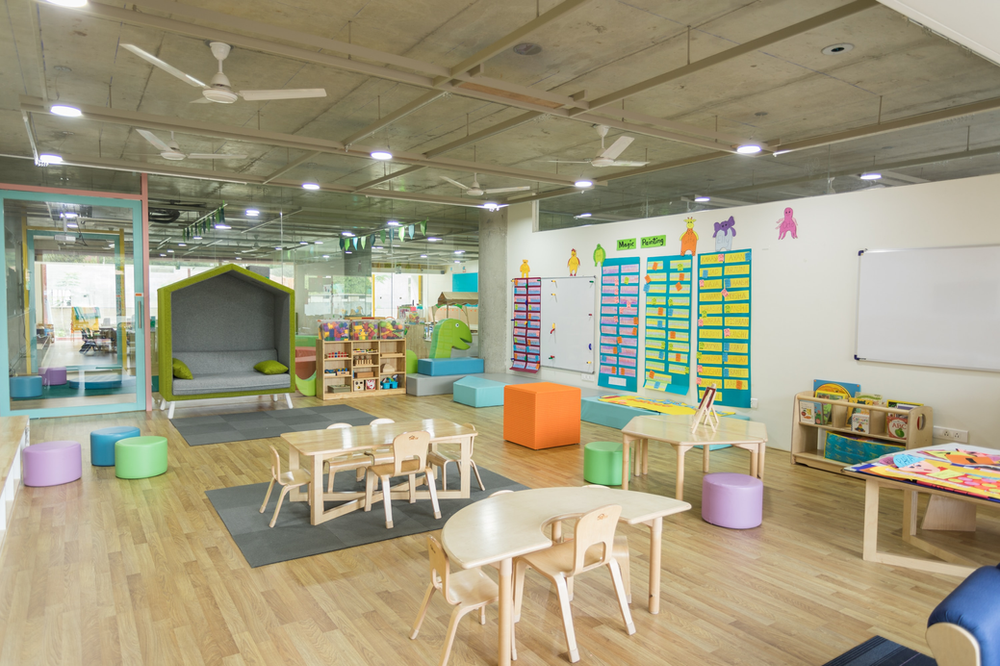
Ultimate School Deep Cleaning Guide | Deep cleaning a school over the holidays is crucial for maintaining a clean and healthy environment for students and staff. It helps eliminate germs, allergens, and other contaminants that may have accumulated throughout the year. This guide will provide you with a step-by-step approach to deep clean a school, focusing on particularly problematic areas. Additionally, we’ll cover how to deep clean different floor types commonly found in schools.
How is a School Deep Clean Different from a Normal Clean?
Deep cleaning a school goes beyond the regular cleaning routines and focuses on thorough cleaning and disinfection of various areas. Here are the key ways in which a school deep clean differs from a normal clean:
Intensity: A school deep clean involves a more intensive and meticulous approach compared to regular cleaning. It aims to eliminate accumulated dirt, germs, and contaminants that may have built up over time.
Comprehensive Coverage:
While regular cleaning typically focuses on surface-level cleaning, a deep clean addresses hard-to-reach areas, hidden corners, and high-touch surfaces that require extra attention. It covers areas often overlooked during routine cleaning, such as baseboards, vents, and light fixtures.
Cleaning Frequency:
Deep cleaning is performed less frequently than regular cleaning. It is typically conducted during school holidays or breaks when students and staff are not present, allowing for thorough cleaning without disruption.
Specialised Equipment and Techniques:
Deep cleaning may involve the use of specialised equipment, such as steam cleaners, floor scrubbers, and carpet extractors, to achieve a more thorough and effective clean. Additionally, specific techniques may be employed to tackle stubborn stains, grease, or other challenging issues that normal cleaning may not address adequately.
Focus on High-Touch Areas:
Deep cleaning places particular emphasis on high-touch surfaces and frequently used areas, such as door handles, handrails, light switches, and classroom supplies. These surfaces are thoroughly cleaned and disinfected to minimise the spread of germs and ensure a healthy environment.
Floor Care:
Deep cleaning includes more extensive floor care, such as carpet extraction, stripping and waxing of hard floors, or using specialised cleaning solutions and machines to remove stubborn stains or build-up.
Disinfection Protocols:
Deep cleaning involves a heightened focus on disinfection. Surfaces are not only cleaned but also disinfected using appropriate disinfectants to kill bacteria, viruses, and other harmful microorganisms. Disinfection protocols adhere to industry standards and guidelines for effective sanitisation.
Problematic Areas:
Deep cleaning specifically targets problematic areas in a school, such as restrooms, cafeterias, gyms, Science laboratories, and high-traffic zones. These areas require more thorough cleaning due to the potential for increased dirt, germs, and odors.
By implementing a school deep clean, educational institutions can provide a safe, clean, and healthy environment for students and staff. It ensures that all areas, including those commonly overlooked during regular cleaning, receive the necessary attention to maintain optimal hygiene and well-being.
What are the Benefits of Deep Cleaning a School?
Deep cleaning a school offers numerous benefits that contribute to creating a healthier and more conducive learning environment. Here are the key advantages of implementing regular deep cleaning practices in schools:
Improved Hygiene:
Deep cleaning helps maintain high standards of hygiene by removing dirt, dust, allergens, and germs that can accumulate over time. Thorough cleaning and disinfection of surfaces, equipment, and high-touch areas reduce the risk of infections and the spread of contagious illnesses among students and staff.
Enhanced Indoor Air Quality:
Deep cleaning involves proper dusting, vacuuming, and cleaning of vents, filters, an carpets. This helps to improve indoor air quality by reducing the presence of allergens, pollutants, and particulate matter. Clean air contributes to a healthier environment and can minimise respiratory issues and allergies among students and staff.
Prevention of Illnesses:
Schools can be breeding grounds for germs and bacteria. Deep cleaning, especially the use of effective disinfectants, helps eliminate pathogens and reduces the likelihood of illnesses spreading within the school community. This can lead to a decrease in absenteeism and an overall healthier student and staff population.
Increased Safety:
Deep cleaning addresses potential safety hazards in various areas of the school. By properly cleaning and maintaining floors, stairs, and other surfaces, the risk of slips, trips, and falls can be reduced. Regular cleaning and inspection of equipment, such as playground structures, ensure that they are safe for use.
Positive Learning Environment:
A clean and well-maintained school environment promotes a positive atmosphere for learning. Students are more likely to feel comfortable, motivated, and focused in a tidy and organised setting. Additionally, a visually appealing school environment can enhance students’ pride in their school and encourage responsible behavior.
Prolonged Lifespan of Assets:
Deep cleaning and proper maintenance of school facilities, including floors, furniture, and equipment, can extend their lifespan. Regular cleaning and appropriate care help prevent the accumulation of dirt, stains, and damage, thereby reducing the need for costly repairs or replacements in the long run.
Professional Image:
A clean and well-maintained school creates a positive impression on visitors, including parents, prospective students, and staff. It reflects the school’s commitment to providing a safe and healthy learning environment and can enhance its reputation within the community.
Compliance with Regulations:
Deep cleaning in schools ensures compliance with health and safety regulations, as well as any specific guidelines set by education authorities. By following recommended cleaning practices and protocols, schools can demonstrate their commitment to maintaining a high standard of cleanliness and hygiene.
Staff Morale:
A clean and organised work environment can boost staff morale and productivity. Deep cleaning not only provides a healthier space for teachers and staff but also creates a positive atmosphere that contributes to their overall well-being and job satisfaction.
How often does a school need to be deep cleaned?
The frequency of deep cleaning in a school depends on several factors, including the size of the facility, the number of students and staff, and the specific needs of the school.
Generally, it is recommended that schools undergo a deep clean at least once a year during school holidays or breaks when students and staff are not present. This allows for a thorough cleaning and disinfection of all areas, ensuring a fresh and healthy start to the new academic year.
However, high-traffic areas such as hallways, stairwells, and common areas may require more frequent deep cleaning, such as once every term, to address the accumulation of dirt and maintain cleanliness. Additionally, areas with specific requirements, such as restrooms, cafeterias, and science laboratories, may need to be deep cleaned more frequently, with schedules ranging from daily to monthly, depending on usage and hygiene standards.
Regular assessment of the school’s cleanliness, consultation with cleaning professionals, and adherence to local regulations can help determine the optimal frequency of deep cleaning for each area within the school.
What Equipment Do I Need to Deep Clean a School?
Deep cleaning a school requires the use of specific materials and equipment to ensure a thorough and effective cleaning process. By having the right tools at hand, you can address different surfaces and areas within the school environment. Here are some essential materials you will need for a successful school deep clean:
Cleaning Solutions:
Choose cleaning solutions that are appropriate for different surfaces, such as disinfectants, all-purpose cleaners, glass cleaners, and floor cleaners. Ensure you have a variety of solutions to address specific cleaning needs throughout the school.
Microfiber Cloths:tion
Microfiber cloths are highly effective for dusting, wiping, and polishing surfaces. They trap and remove dust, dirt, and allergens without leaving behind lint or streaks.
Mops and Buckets:
Select mop heads and buckets suitable for the type of floors you will be cleaning. Consider having both wet and dry mops to address different cleaning requirements. A bucket with a wringer will help efficiently remove excess water from the mop.
Vacuum Cleaner:
A reliable vacuum cleaner is essential for thorough cleaning of carpets, rugs, and hard-to-reach areas. Ensure your vacuum cleaner has appropriate attachments and filters for different surfaces. A wet and dry vacuum cleaner is useful for addressing spills and wet messes.
Broom and Dustpan:
A sturdy broom and dustpan are necessary for sweeping and collecting debris from hard floors and larger areas. They are particularly useful for prepping the area before mopping or vacuuming.
Rubber Gloves:
Protect your hands from chemicals and potential contaminants by wearing rubber gloves during the cleaning process. This helps ensure your safety and maintain hygiene standards.
Safety Goggles:
For tasks that involve potential splashes or sprays of cleaning solutions, wearing safety goggles is recommended to protect your eyes from any potential hazards.
Disinfectant Wipes:
Disinfectant wipes are convenient for quickly sanitizing small surfaces, high-touch areas, and equipment. Have a supply of wipes that are effective against a broad range of pathogens.
Ladder or Step Stool:
Depending on the height of certain areas, such as reaching high shelves or cleaning windows, a sturdy ladder or step stool may be necessary for safe and thorough cleaning. Ensure the ladder or step stool is stable and suitable for the intended task.
Rubbish Bags:
Keep an ample supply of rubbish bags for collecting and disposing of waste generated during the deep cleaning process. Separate bags for different types of waste, such as general waste and recyclables, can help with proper waste management.
This versatile machine can handle both dry debris and wet spills, making it suitable for a variety of cleaning tasks.
Rotary Floor Machine:
A rotary floor machine equipped with appropriate pads or brushes can be used for deep cleaning and restoring various types of hard floors, such as tiles, vinyl, or hardwood.
If you’d like more more information on rotary machines, be sure to check out some of our other blog posts on Rotary machines:
A carpet cleaning machine with suitable attachments and cleaning solutions is necessary for deep cleaning carpets and removing embedded dirt and stains.
Having these materials and equipment readily available will help you effectively and efficiently deep clean a school, ensuring a clean and healthy environment for students and staff.
Where do I start with a School Deep Clean?
Preparation is key.
Create a cleaning schedule: Divide the school into sections and create a schedule outlining which areas will be cleaned on specific days.
Ensure you have all the necessary cleaning materials and equipment before starting the deep cleaning process.
How to Deep Clean Different Floor Types in a School
Treat stains with appropriate carpet stain removers.
Deep clean carpets using a carpet cleaner such as the Victor SX15 – a walk behind carpet cleaner.
Follow the manufacturer’s instructions for the carpet cleaner and use appropriate cleaning solutions.
Pay extra attention to high-traffic areas and spots prone to stains. For more stubborn stains, consider spot cleaning with a spray extractor such as the Victor CX7
Allow sufficient drying time before allowing foot traffic on the carpets.
Wooden Floors:
Sweep or vacuum the floors to remove loose dirt and dust.
Use a damp mop with a mild cleaning solution specifically designed for hardwood floors.
Avoid excessive moisture, as it can damage the wood. Wring out the mop thoroughly.
Clean in the direction of the wood grain to prevent scratching.
If there are deep scratches or worn areas, consider refinishing the floors after the deep cleaning process.
Once clean, to add a light shine, use a White polishing pad on high speed setting rotary machine or Burnisher such as a Victor Lynx. For spray cleaning, a Red floor pad would be more suitable
Sweep or vacuum the floors to remove loose dirt and debris.
Mix a mild cleaning solution of warm water and a neutral pH floor cleaner.
Mop the floors, ensuring not to oversaturate them.
Pay attention to stains or scuff marks and use a scrub brush for stubborn areas.
Rinse the floors with clean water to remove any residue.
For regular maintenance, consider regular spray cleaning using a maintainer or neutral pH detergent. Use a Red floor pad on high speed setting or Burnisher such as a Victor Lynx. If sealed, maintain shine with a white floor pad. Periodically scrub with an alkaline detergent on a standard speed machine such as a Victor Contractor.
Tile Floors:
Sweep or vacuum the floors to remove loose dirt and debris.
Mix a solution of warm water and a pH-neutral tile cleaner.
Mop the floors, ensuring to reach grout lines and corners.
For grout lines, use a grout brush and a mild grout cleaner to remove stains and dirt.
Rinse the floors thoroughly with clean water.
If using a rotary machine,consider cleaning with a polypropylene brush. These are ideal at attacking dirt trapped in uneven surfaces or grout lines.
Start by removing any loose debris and dust from the floor using a broom or vacuum cleaner with a soft brush attachment.
For regular maintenance, sweep the floor daily to prevent dirt and dust buildup.
Use a mop or floor scrubber with a neutral pH cleaner specifically designed for Granwood floors. Follow the manufacturer’s instructions for the cleaning solution and dilution ratios.
Thoroughly mop the floor, paying attention to high-traffic areas and any visible stains.
For stubborn stains, apply a slightly stronger cleaning solution directly to the affected area and scrub gently with a soft brush.
Rinse the floor with clean water to remove any residue from the cleaning solution.
Allow the floor to dry completely before allowing foot traffic or any sporting activities.
For periodic maintenance, consider applying a suitable floor polish or finish recommended by the manufacturer.
Follow the manufacturer’s instructions for the application of the polish, ensuring an even and thin layer.
Allow the polish to dry completely before using the sports hall.
Regularly monitor the condition of the floor and address any damages or maintenance needs promptly to ensure its longevity.
Remember, deep cleaning sports hall floors is crucial not only for hygiene but also for maintaining the integrity and performance of the playing surface.
Ultimate School Deep Cleaning Guide | The Full School Deep Cleaning Checklist
Classrooms:
Dust all surfaces, including desks, chairs, bookshelves, and windowsills.
Wipe down whiteboards or blackboards and remove any stains.
Vacuum or mop hard floors, paying attention to corners and edges.
Clean carpets thoroughly using a vacuum cleaner followed by carpet cleaner.
Disinfect frequently touched surfaces such as doorknobs, light switches, and classroom supplies.
Toilets & Bathrooms:
Start by putting on rubber gloves and safety goggles for protection.
Remove rubbish and empty bins.
Clean toilet bowls, urinals, sinks, and countertops using appropriate cleaning solutions.
Disinfect high-touch surfaces, such as door handles, taps, and light switches.
Scrub floors using a mop and a disinfectant cleaner, paying attention to corners and grout lines.
Consider using a floor scrubber or steam cleaner for a more thorough clean of bathroom floors.
Cafeterias:
Clear and clean tables, chairs, and benches using a mild detergent or surface cleaner.
Remove food spills and stains promptly.
Sweep or vacuum the floor to remove loose debris.
Mop the floor using a suitable cleaner, paying attention to high-traffic areas.
Consider using a floor buffer or scrubber for deep cleaning large cafeteria floors.
Kitchens:
Clean countertops, sinks, and food preparation surfaces with appropriate disinfectant cleaners.
Pay special attention to grease buildup on stovetops, range hoods, and other cooking equipment.
Use a degreaser and scrub brushes to remove stubborn grease stains.
Sweep and mop the floors, using a grease-cutting cleaner for heavily soiled areas.
Consider using a steam cleaner for deep cleaning kitchen floors and removing grease buildup.
Gymnasiums and Locker Rooms:
Sweep or vacuum the floor to remove loose dirt and debris.
Use a neutral pH cleaner and a mop to clean hard floors, paying attention to corners and edges.
Disinfect sports equipment, mats, and high-touch surfaces.
Scrub locker room benches, showers, and lockers with appropriate cleaning solutions.
Science Laboratories:
Follow any specific protocols provided by the school regarding cleaning hazardous substances.
Clean countertops, sinks, and fume hoods using appropriate disinfectant cleaners.
Disinfect lab equipment, microscopes, and surfaces regularly.
Sweep or vacuum the floor to remove loose debris.
Mop the floor with a suitable cleaner, paying attention to spills and stains.
Libraries:
Dust and wipe down bookshelves, tables, and chairs.
Use a suitable cleaner for removing fingerprints and smudges from windows and glass surfaces.
Vacuum or sweep the floor, paying attention to corners and underneath furniture.
Consider using a carpet cleaner or steam cleaner for deep cleaning library carpets.
Hallways and Stairwells:
Sweep or vacuum the floors to remove loose dirt, dust, and debris.
Use a suitable cleaner for mopping hard floors, paying attention to high-traffic areas.
Spot clean walls, paying attention to scuff marks and stains.
Dust handrails, light fixtures, and other high-touch areas.
Classroom Desks and Surfaces:
Dust all surfaces, including desks, chairs, and bookshelves.
Wipe down whiteboards or blackboards and remove any stains.
Vacuum or mop hard floors, paying attention to corners and edges.
Clean carpets thoroughly using a vacuum cleaner or a carpet cleaner.
Disinfect frequently touched areas.
Deep cleaning a school over the holidays is essential for maintaining a clean and hygienic environment. By following this Ultimate School Deep Cleaning Guide and focusing on particularly problematic areas, you can ensure that the school is thoroughly cleaned and ready for students and staff to return. Remember to use appropriate cleaning solutions and techniques for different floor types to achieve the best results.
If you have any problem areas in your school, get in contact and our team of friendly, knowledgeable staff will be delighted to assist.
How to maintain a Wet and Dry Vacuum | The Ultimate Guide
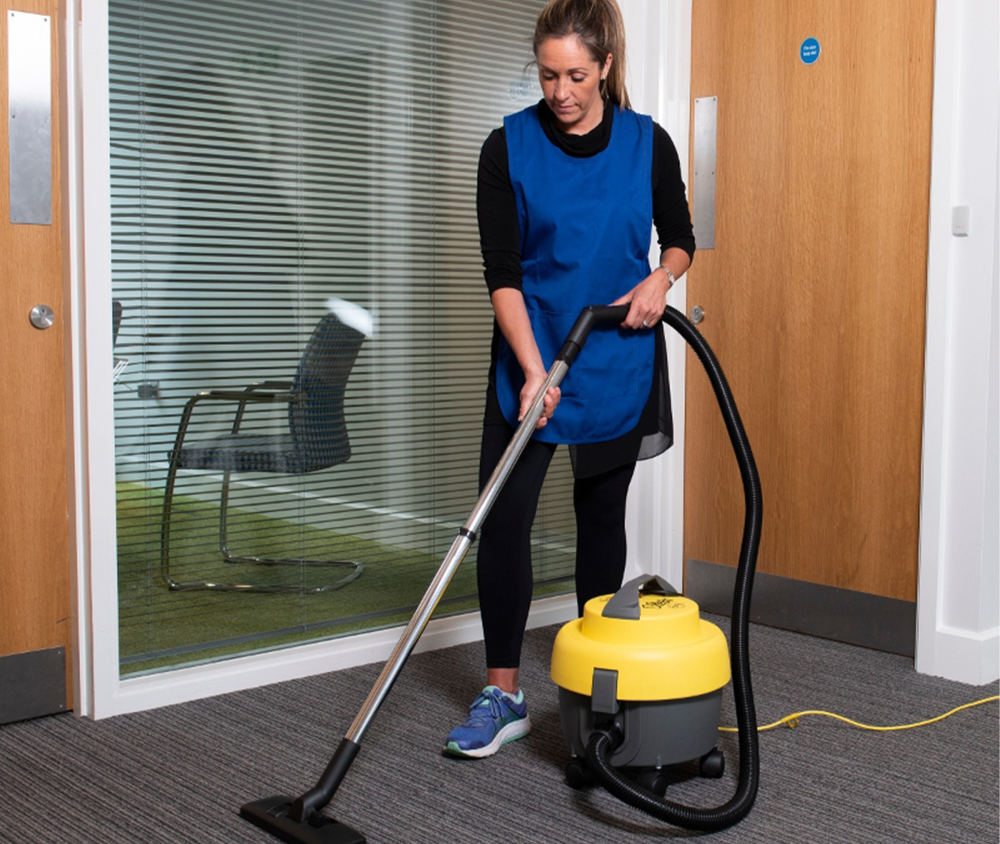
How to maintain a Wet and Dry Vacuum | A wet and dry vacuum cleaner is a versatile tool that can handle both wet and dry messes, making it an essential equipment for various commercial settings. To ensure optimal performance and longevity, regular maintenance is crucial. In this guide, we will walk you through the steps to effectively maintain your commercial wet and dry vacuum cleaner, helping to reduce . Whether you’re a business owner or a janitorial professional, these maintenance tips will help you get the most out of your equipment.
How to maintain a Wet and Dry Vacuum
1. Read the Manual
Before diving into maintenance procedures, it’s important to familiarise yourself with the manufacturer’s instructions and guidelines outlined in the user manual. This will provide specific details about your wet and dry vacuum cleaner’s features, recommended maintenance schedules, and any special considerations unique to your model.
2. Cleaning the Filter
a. Regularly inspect the filter for any debris or blockages. Remove the filter according to the manufacturer’s instructions.
b. For dry vacuuming, tap the filter gently to remove loose dirt. If the filter is washable, rinse it under running water and allow it to dry completely before reinserting.
c. For wet vacuuming, remove the filter to prevent it from getting wet. Refer to the manual for the appropriate filter usage in wet conditions.
3. Emptying and Cleaning the Tank
a. After each use, empty the tank to prevent the accumulation of moisture and debris. Dispose of the contents appropriately.
b. For wet vacuuming, thoroughly rinse the tank with clean water to remove any residual dirt or liquids. Dry the tank completely before reassembling.
c. For dry vacuuming, wipe the tank with a damp cloth to remove any dust or debris. Ensure the tank is completely dry before attaching the filter and other accessories.
4. Inspect and Clean Attachments
a. Regularly check the hoses, nozzles, and other attachments for any signs of damage or blockages. Use a soft brush or cloth to clean them, removing any dirt or obstructions.
b. Ensure that the attachments are securely connected to the vacuum cleaner to maintain proper suction power and efficiency.
5. Check the Power Cord
a. Examine the power cord for any signs of wear or damage, such as fraying or exposed wires. If any issues are found, replace the cord immediately to avoid electrical hazards.
b. Properly wind and store the power cord after each use to prevent tangles and extend its lifespan.
6. Create a Maintenance Schedule
Create a maintenance schedule based on the manufacturer’s recommendations and the frequency of usage. Regularly clean and inspect your wet and dry vacuum cleaner to ensure it remains in optimal working condition.
7. Store Properly
When not in use, store the vacuum cleaner in a clean and dry area. Keep it away from extreme temperatures, moisture, and direct sunlight. Store attachments and accessories in an organised manner to avoid misplacement or damage.
By following these maintenance tips, you can keep your commercial wet and dry vacuum cleaner performing at its best for years to come.
Remember, proper maintenance leads to improved performance, reduced downtime and a cleaner environment.
If you need any advise about your commercial Wet and Dry vacuum, get in touch using the form below or call us on +44(0)121 706 5771
Or follow the links below to request a demo or explore our shop
 Free UK Delivery (mainland) on orders over £150